
Views: 0 Author: Maoming Zhengmao Petrochemical Co., Ltd Publish Time: 2025-11-12 Origin: Site


Immersion cooling fluid is a specialized non-conductive liquid designed to directly cool electronic components
such as CPUs, GPUs, and power modules.
Unlike air cooling or indirect liquid loops, the entire server is submerged in a dielectric coolant, allowing heat
to dissipate instantly through direct liquid contact.
This approach eliminates the need for traditional fans and complex airflow management, leading to quieter,
more compact, and energy-efficient data centers.
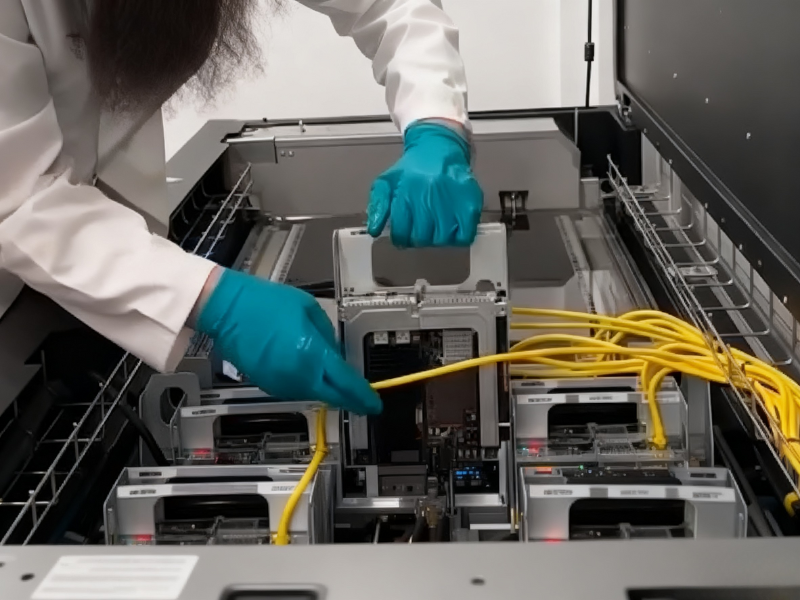
The key property of immersion cooling fluids is their dielectric strength — meaning they do not conduct electricity.
This allows components to operate safely while immersed in liquid.
Common fluid types include:
Synthetic hydrocarbons (PAO-based or isoparaffinic fluids)
Fluorinated fluids and engineered esters
Each offers different balances of viscosity, boiling point, and thermal conductivity, making them suitable for
single-phase or two-phase immersion cooling systems.
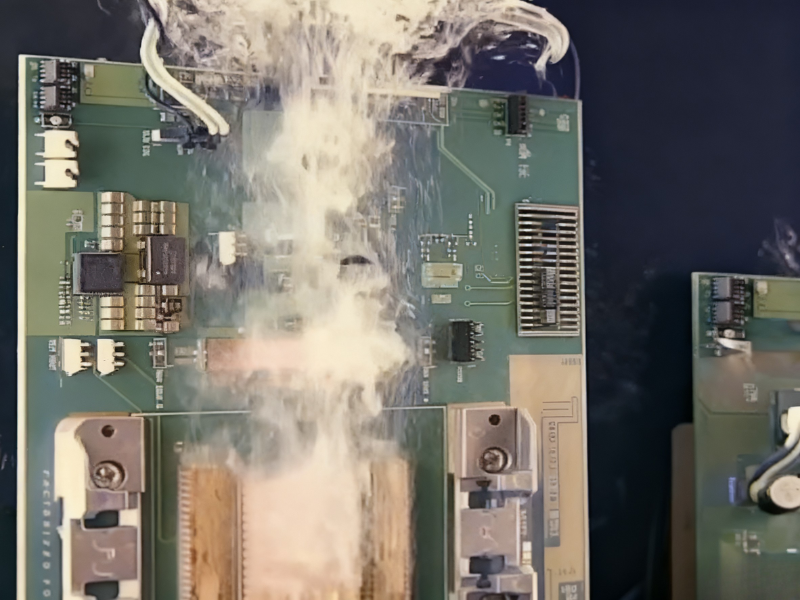
3. Heat Exchange Pathways: How the Cooling Works
When heat is generated by processors or chips, it is transferred directly into the surrounding fluid.
The liquid absorbs the heat and carries it to a heat exchanger, where it is released into secondary systems
such as water loops or external chillers.
This shorter heat transfer path drastically improves efficiency — often achieving up to 40% power savings
compared to conventional air-cooled setups.
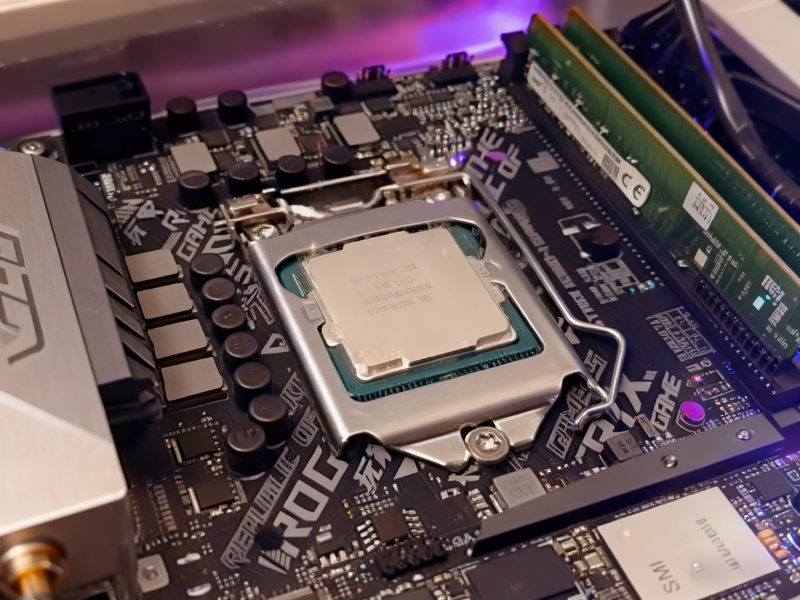
4. Fluid Types for Data Center Immersion Cooling
| Fluid Type | Base Chemistry | Cooling Mode | Key Advantages |
| Hydrocarbon (PAO / Isoparaffin) | Synthetic hydrocarbon | Single-phase | Low viscosity, stable, cost-effective |
| Fluorocarbon Fluid | Engineered fluorinated compounds | Two-phase | Boiling heat transfer, very low volatility |
| Silicone & Ester Fluids | Organosilicone or esters | Single-phase | High thermal stability, environmentally friendly |
Selecting the right fluid depends on thermal load, operating temperature, and material compatibility
within the data center infrastructure.
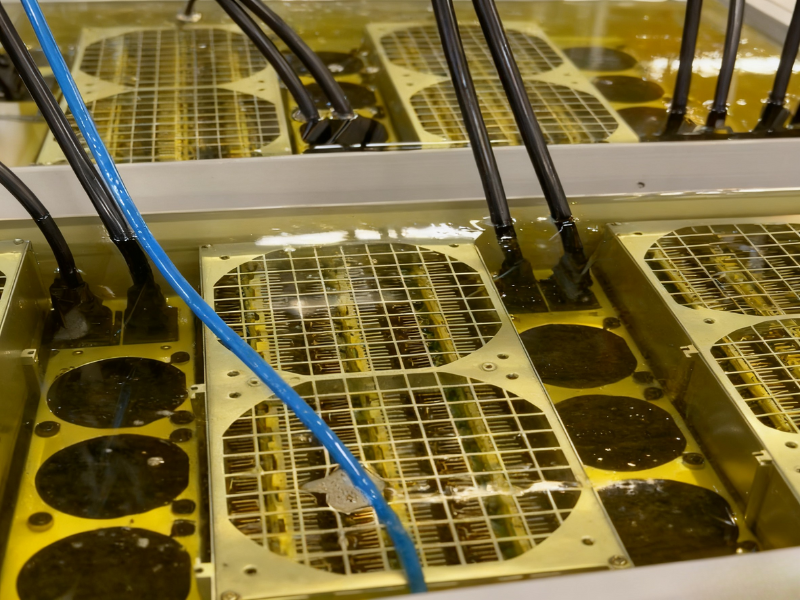
Immersion cooling technology significantly reduces energy consumption, noise, and carbon footprint.
By removing air conditioning and fan requirements, operators achieve up to 40% power usage effectiveness
(PUE) improvement, while extending hardware life due to stable thermal conditions.
These fluids are also non-toxic, odorless, and recyclable, aligning with ESG and sustainable operation goals.
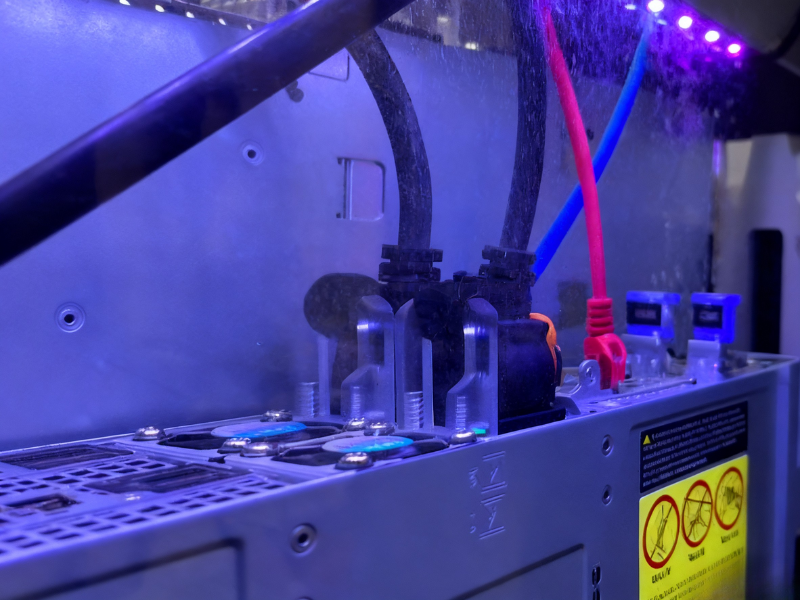
As AI servers and high-density computing nodes demand higher performance, full immersion cooling is
becoming the standard for next-generation data centers.
Manufacturers like ZMPC are developing advanced dielectric cooling fluids tailored for edge, modular,
and hyperscale facilities — ensuring both performance and sustainability in the data-driven future.
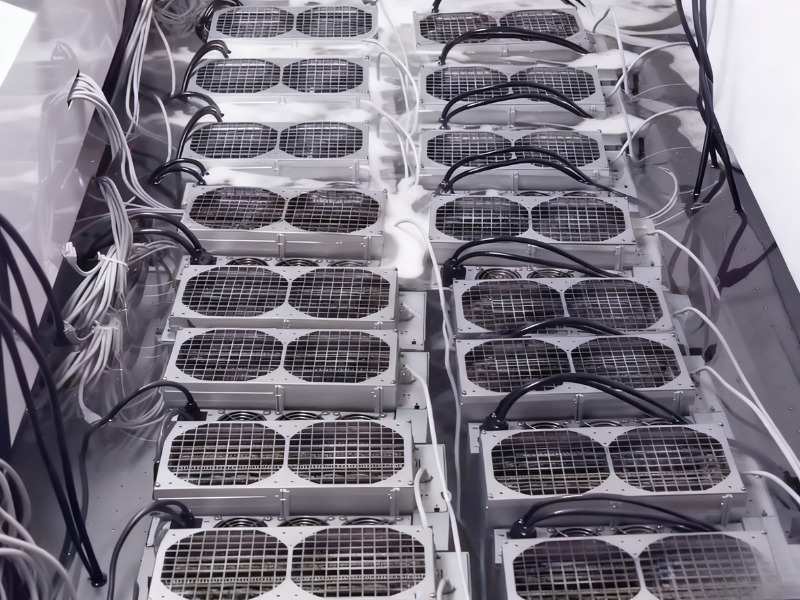
Immersion cooling is no longer experimental — it’s the foundation of modern, sustainable data center infrastructure.
With dielectric fluids offering safety, thermal efficiency, and reduced energy costs, this technology marks the
next evolution in global computing efficiency.



